
Fur Trade
Overview
Métis people were the backbone of the fur trade; they trapped, gathered and transported furs and goods, supplied food, translated, and were guides for the Hudson Bay Company fur traders.
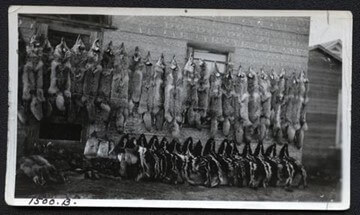
Furs were used for trading, clothing, and hats that were sent to Europe.
Hunters
Métis trappers were highly skilled, and they supplied a lot of the food that the Hudson Bay Company fur traders needed to survive. Métis people sold pemmican and buffalo meat to the fur traders as well as the food that came from the farms that were near the trading posts like meat, dairy, vegetables, and wheat.
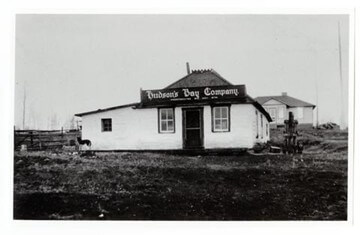
A Hudson’s Bay Company trading post near Beauval Saskatchewan
Guides and Translators
Since the Métis had such a strong knowledge of the land and the ability to survive from living off the land, they became very valuable to the European fur traders who needed guidance. Métis workers were also translators as they knew many languages and could interpret trade deals at the posts.
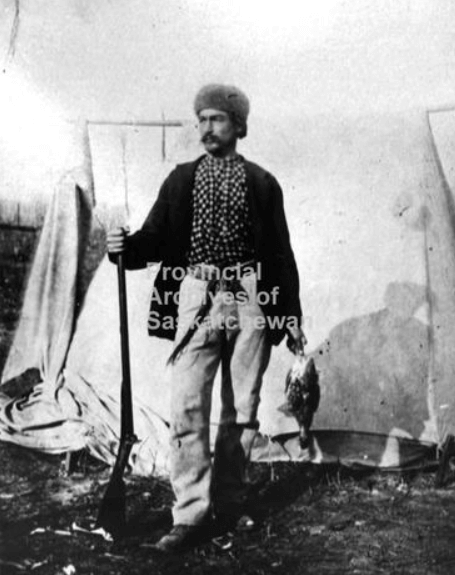
Furs were used for trading, clothing, and hats that were sent to Europe.
Métis Women
The Métis women were also very important to the fur trade because they were connected to other First Nations and Métis people. The women were able to provide food to the fur trade posts and could share their wisdom and trading connections with the European fur traders. When the fur trade ended in the mid-1800s, the Métis had to adapt and find new ways to support their families.
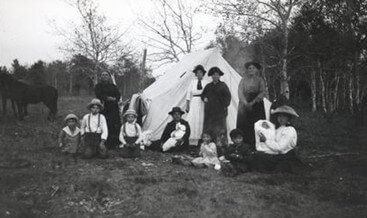
Photo Credit: Provincial Archives of Saskatchewan R-A1637
Métis women and children at camp