Select Page

Who are the Métis?

Distinct Nation

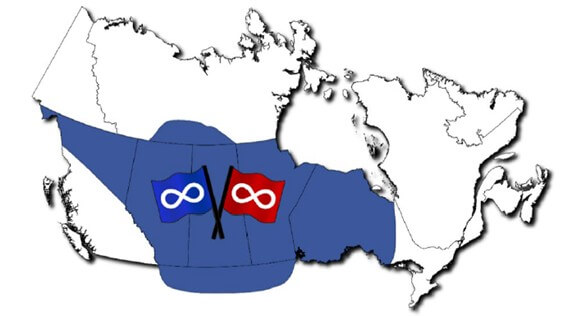
The Métis are a distinct people, which means they are a Nation with their own shared identity, history, culture, and way of governing themselves. They have unique traditions, language, kinship, and leaders who represent their communities.

The Métis are one of the three Indigenous groups recognized by the Canadian constitution in 1982.
A piece of art by Leah Marie Dorion made with mosaics shows two Indigenous people standing near animals, sun, and water.

Photo Credit: Métis Nation Alberta

Saskatchewan is in the heart of the Métis homeland.

Beginning

The Métis Nation began a long time ago, in the 1700s, during the fur trade. First Nations women and European fur traders—mostly from France and Scotland—married and started families.
A piece of art by Leah Marie Dorion made with mosaics shows two Indigenous people standing near animals, sun, and water.

Photo Credit: Western Development Museum

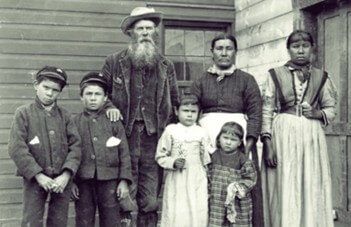
A Métis Family

Their children grew up learning from both cultures. They were taught First Nations traditions and ways of life and also learned European languages and customs. These children were proud of their families and the knowledge they gained from both sides.

Communities

Over time, Métis families built their own strong communities. They shared stories, helped each other, traded goods, and celebrated special days together. They worked on the land and supported each other like one big extended family.
A piece of art by Leah Marie Dorion made with mosaics shows two Indigenous women facing each other with their hair blowing out behind them. There is a sun with butterflies in the centre, and snakes underneath the ground.

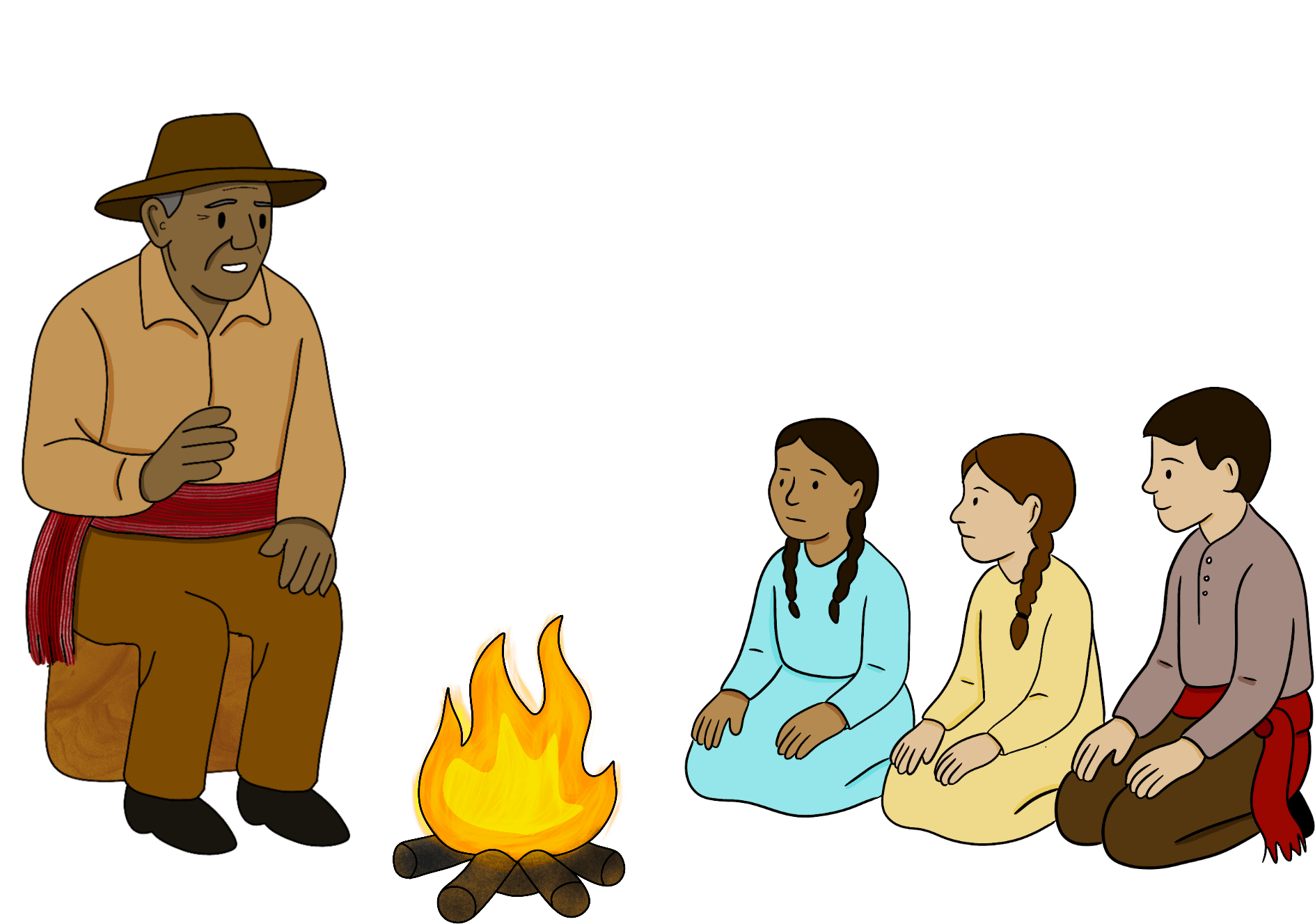
Li Vyeu (Michif word for old people) would share stories to children.
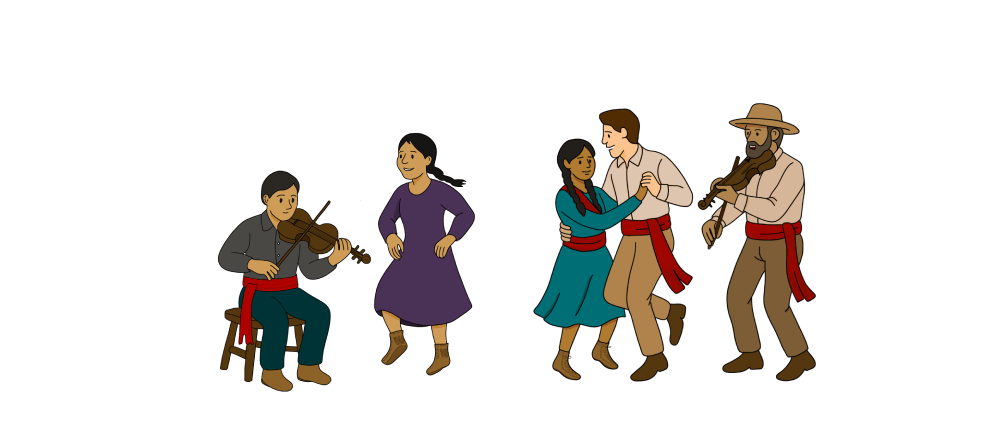
As the years passed, they developed their own distinct culture with unique music, food, clothing, language (Michif), and traditions. This was the beginning of the Métis Nation. They were no longer just a mix of cultures but a proud people with their own identity, language, leadership, and way of life; the Métis became their own distinct nation.
A piece of art by Leah Marie Dorion made with mosaics shows two Indigenous women facing each other with their hair blowing out behind them. There is a sun with butterflies in the centre, and snakes underneath the ground.

It is common to hear fiddle music and dancing at Métis gatherings

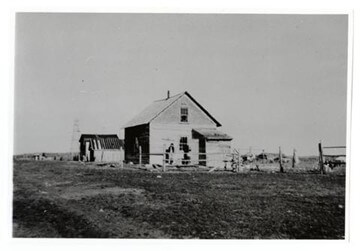
Historically, Métis people lived in a variety of different types of communities. Examples of these communities are summer hunting camps, wintering camps (hivernants), River Lot settlements, fur trading posts, road allowances, and farming communities.
A piece of art by Leah Marie Dorion made with mosaics shows two Indigenous women facing each other with their hair blowing out behind them. There is a sun with butterflies in the centre, and snakes underneath the ground.

Photo Credit: Provincial Archives of Saskatchewan

Métis homestead in Il-à-la-Crosse

BUFFALO

Cumberland House is the oldest Métis community in Saskatchewan and was established in 1774.

Check Your Understanding