
The North-West Resistance
Growing Tensions
By the mid 1880s, life was becoming very hard for the Métis. The buffalo, their main source of food and trade, were almost gone. More European settlers were moving into the Prairies and the government was building the railroad through Métis lands. Many Métis had lost their land through the scrip system and were struggling to survive. They wanted to protect their land, rights, and way of life, but the government was not listening to their concerns.
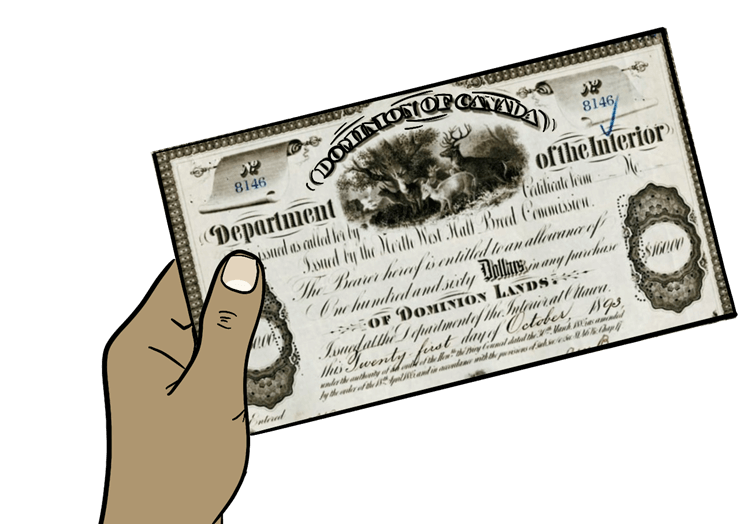
Scrip played a large role in the growing tensions between Métis people and the government
Leaders Take Action
Gabriel Dumont, a respected Métis leader, called on Louis Riel, another respected Métis leader, to return from the United States to help. Together, they worked to organize the Métis and other allies to demand fair treatment from the government. When peaceful petitions failed, the Métis decided they would have to defend themselves and their way of life.
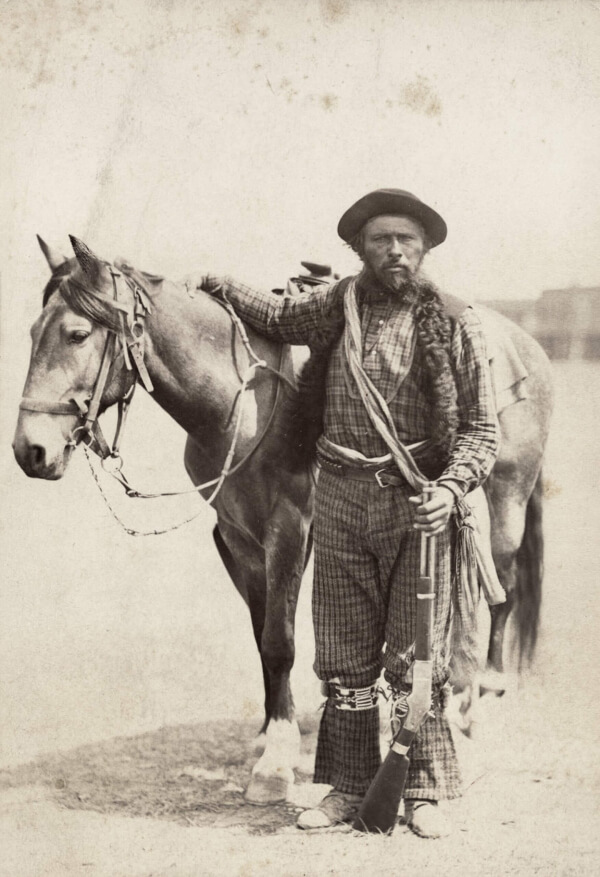
Photo Credit: Provincial Archives of Saskatchewan
Gabriel Dumont standing beside a horse.
The Battle at Batoche
The spring of 1885 is when the North-West Resistance started. In March of 1885, at the Battle of Duck Lake, the Métis resistance fighters, led by Gabriel Dumont, defeated the Canadian troops. The Métis also won the next battle at Tourond’s Coulee in April of 1885 by setting up an ambush causing the Canadian army to retreat.
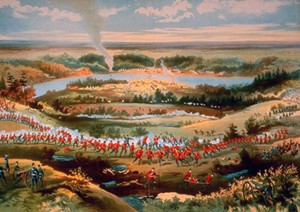
Photo Credit: Library and Archives Canada/C-2424
Artist Sergeant Grundy lithograph of the Battle of Batoche

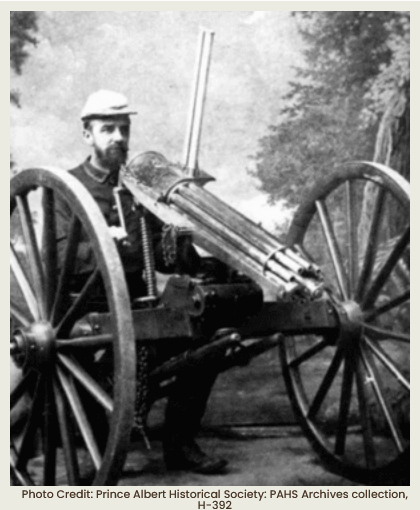
A gatling gun was used by the Canadian government during the battle of Batoche. This gave them an advantage in the battle over the Métis fighters.
Impact
After the battle, many Métis leaders were arrested. Louis Riel was put on trial and executed, which caused great sadness and anger among the Métis and many others across Canada. Many Métis families had to flee or hide their identity and say they were French, Scottish, or English because of the discrimination Métis people faced. Some moved onto road allowances, where life was difficult, but community ties remained strong. Others moved to the west into Alberta and British Columbia to escape.
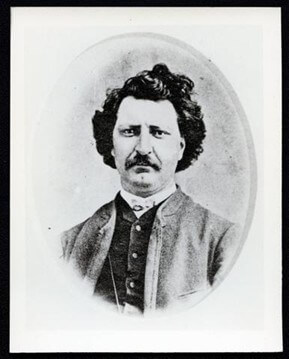
Photo Credit: Provincial Archives of Saskatchewan (R-A1865)
Portrait of Louis Riel
The Battle at Batoche
Today, the North-West Resistance is remembered as a fight to protect Métis rights, land, and culture. Batoche has become an important historic site where Métis history is honoured. Each year, Métis people and visitors gather to share stories, celebrate their culture, and remember the courage of those who stood up for their community in 1885.
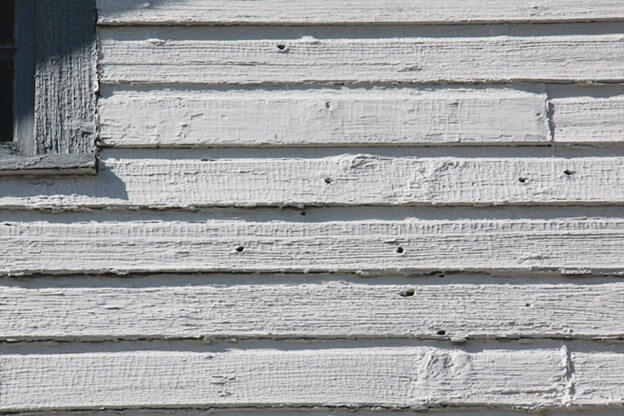
Bullet holes still remain in the buildings that are at Batoche National Historic Site.