Select Page

Important Industry

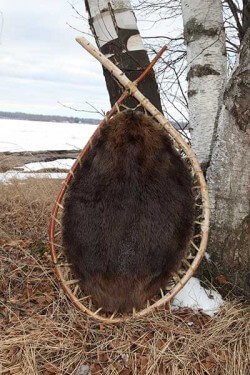
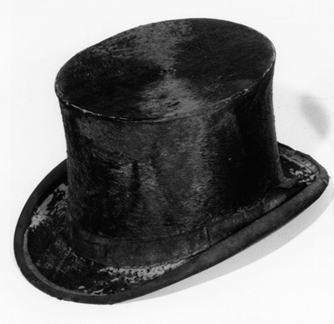
The fur trade was one the first major industries in Canada. It began in the 1600s and became very important in places like Saskatchewan in the 1700s and 1800s. European traders came to North America to collect animal furs, especially beaver pelts, which were used to make hats and coats in Europe.
A piece of art by Leah Marie Dorion made with mosaics shows two Indigenous people standing near animals, sun, and water.

A beaver felt top hat

To be successful, European trappers needed help from people who knew the land. First Nations hunters and trappers worked closely with Europeans, teaching them how to survive and move across the land. Over time, some of the European fur traders and First Nations women formed families.
A piece of art by Leah Marie Dorion made with mosaics shows two Indigenous people standing near animals, sun, and water.

Photo Credit: Provincial Archives of Saskatchewan

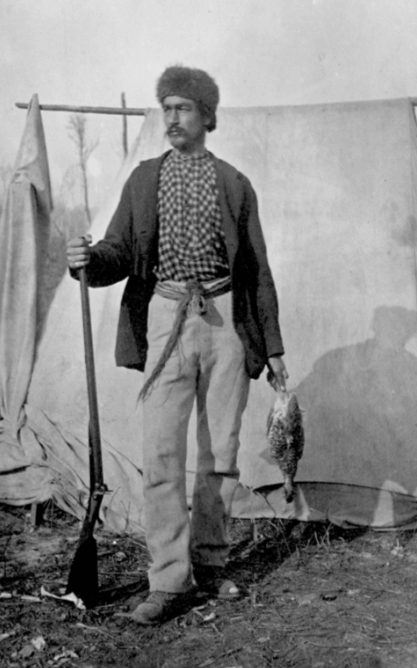
A Métis hunting guide in 1876.

Métis Roles

Métis people were a big reason the fur trade was so successful. They were skilled workers who understood both First Nations and European ways of life. Because they spoke more than one language, they helped people communicate and work together.
A piece of art by Leah Marie Dorion made with mosaics shows two Indigenous people standing near animals, sun, and water.

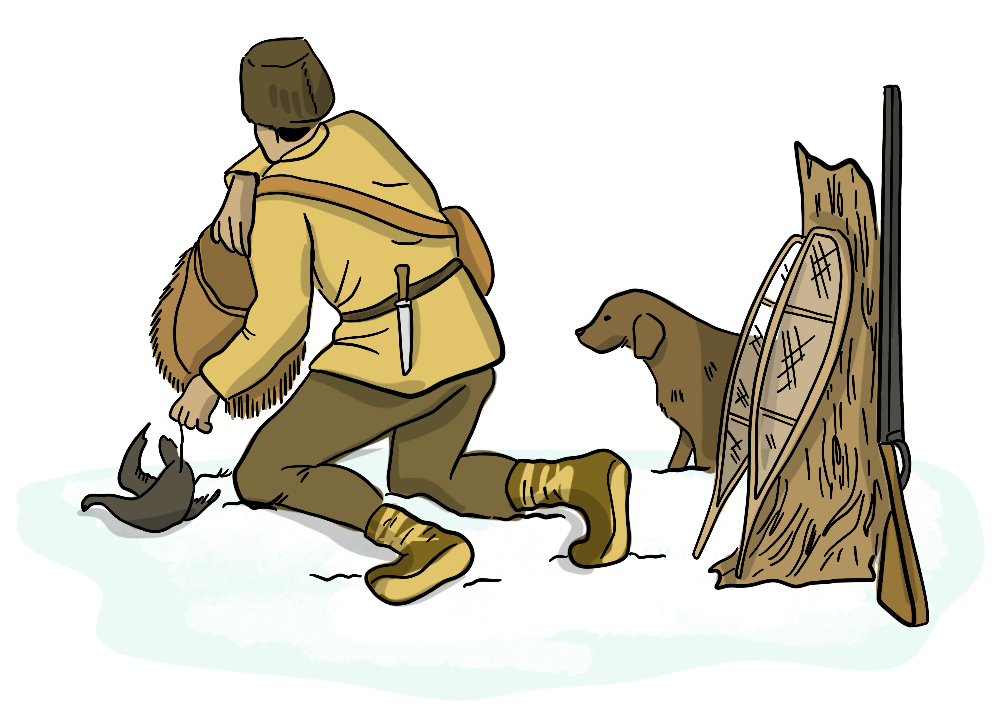
Métis trappers were very skilled

Métis people worked in many important jobs such as:

  • Interpreters – helping people understand each other’s languages
  • Traders – buying, selling, and exchanging goods like furs, food, and tools
  • Guides – leading traders across rivers, forests, and prairies
  • Laborers – carrying heavy loads, paddling canoes, and working at trading posts
  • Seamstress – Métis women would create and mend clothing
  • Food suppliers – providing vegetables, meat, fish, and pemmican (a dried meat and berry mix). Women also tended the gardens at fur trade posts
A piece of art by Leah Marie Dorion made with mosaics shows two Indigenous people standing near animals, sun, and water.

Métis woman canning foods

The hard work of the Métis helped connect communities and build the early economy in what is now Saskatchewan and beyond.

Check Your Understanding