Watch this short video about the St. Laurent Pilgrimage near Duck Lake SK

Worldview & Community
Worldview
Métis worldview is shaped by values such as respect for the land, community, family, adaptability, and the importance of both cultural traditions and connections with other people.
It is also shaped by their experiences as distinct people whose historic creation was the blending of two cultures (First Nations and European). Métis embraced both the strengths and teachings that each culture brings to form a unique culture of their own.
Métis people have a deep respect for the land, which affects how they hunt, farm, live, and learn. This connection to nature is a big part of how they see the world.
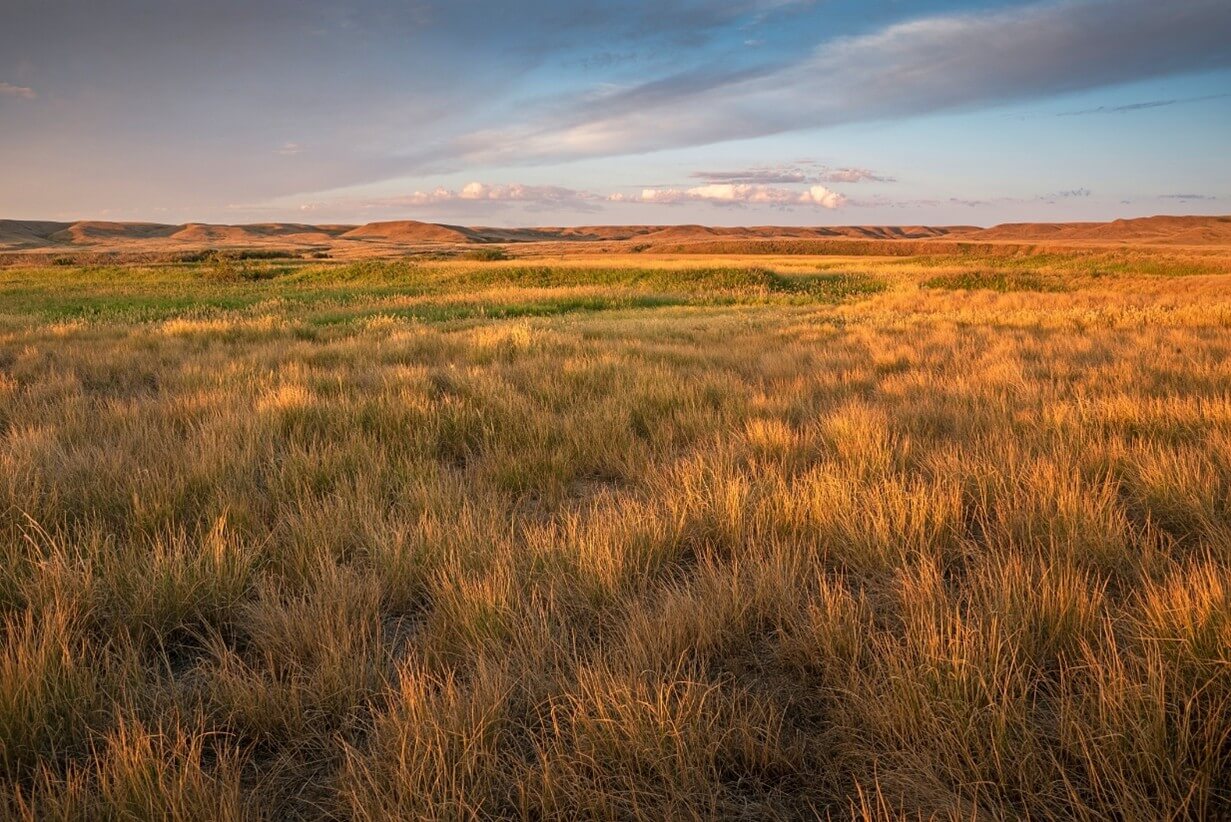
Saskatchewan grassland prairies where many Métis call home
Belief systems
Belief systems are the specific ways that people practice spirituality and religion. Even though Métis people may have different beliefs, their worldview connects them through their shared values and respect for each other and the world around them.

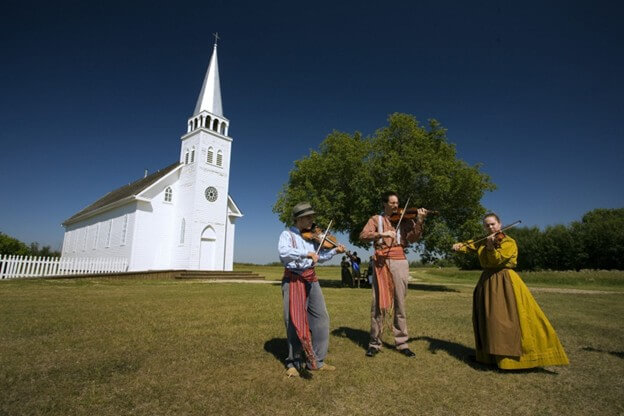
Batoche, SK, is a national historical site! Batoche is one of the traditional homelands of the historical Métis culture, language, and traditions and is the home of “Back to Batoche Days” festival.
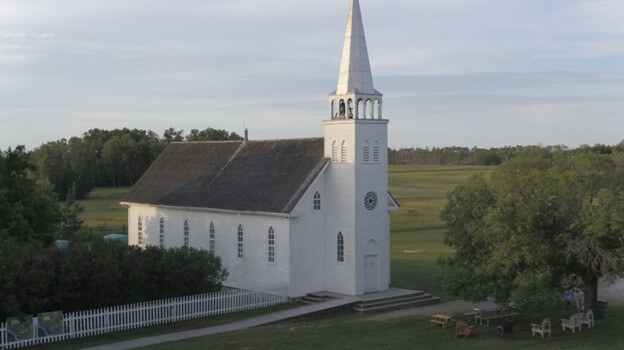
Catholic Church supported by Métis families in Batoche, SK
Historically, Métis families would practice a blend of traditional First Nation and Christian ceremonies. Christianity was commonly practiced in Métis communities that had a church with a priest, minister, or missionary. Some Métis families turned to the church as a form of connection to other believers and sense of belonging, while others valued more traditional First Nations beliefs.
Regardless of the type of worldviews or beliefs held by Métis people, there is always a sense of kinship that unites them.
Community
Community is an important part of being connected with the people and land around you. Your community can be your family, the place you live, or the people who you surround yourself with. Métis families are known for being very large and it’s common for extended families to be raised together, making cousins feel like siblings!
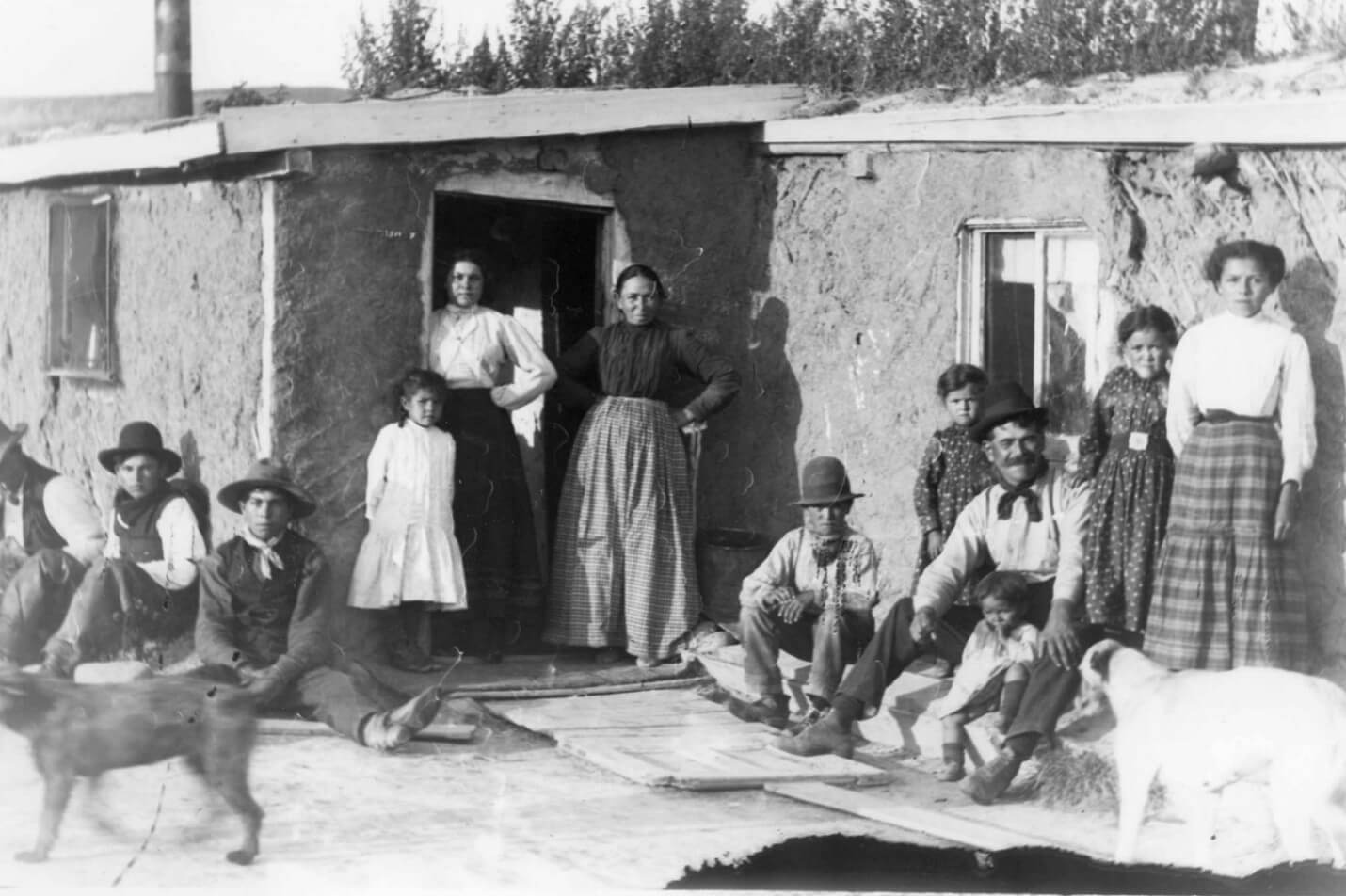
Photo Credit: Provincial Archives of Saskatchewan
A large Métis family at their homestead
There were a variety of different locations Métis communities formed, some examples were trading posts, neighbouring farms, road allowances, towns, wintering sites, and buffalo hunt camps.
Formal leadership was always community based and elected. For example, a hunt captain was elected to every buffalo hunt and they were in charge of planning, discipline, and organization of the hunt.
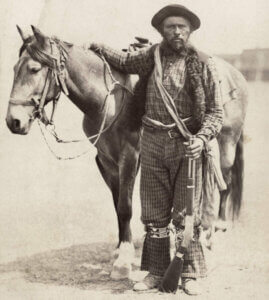
Photo Credit: Provincial Archives of Saskatchewan
Gabriel Dumont was an important leader for Métis nationhood as he battled to defend Métis rights, culture, and freedom.
Currently, Métis Nation Saskatchewan is the government that represents Métis citizens in Saskatchewan. Métis Nation Saskatchewan is made up of local and provincial representatives and councils.